
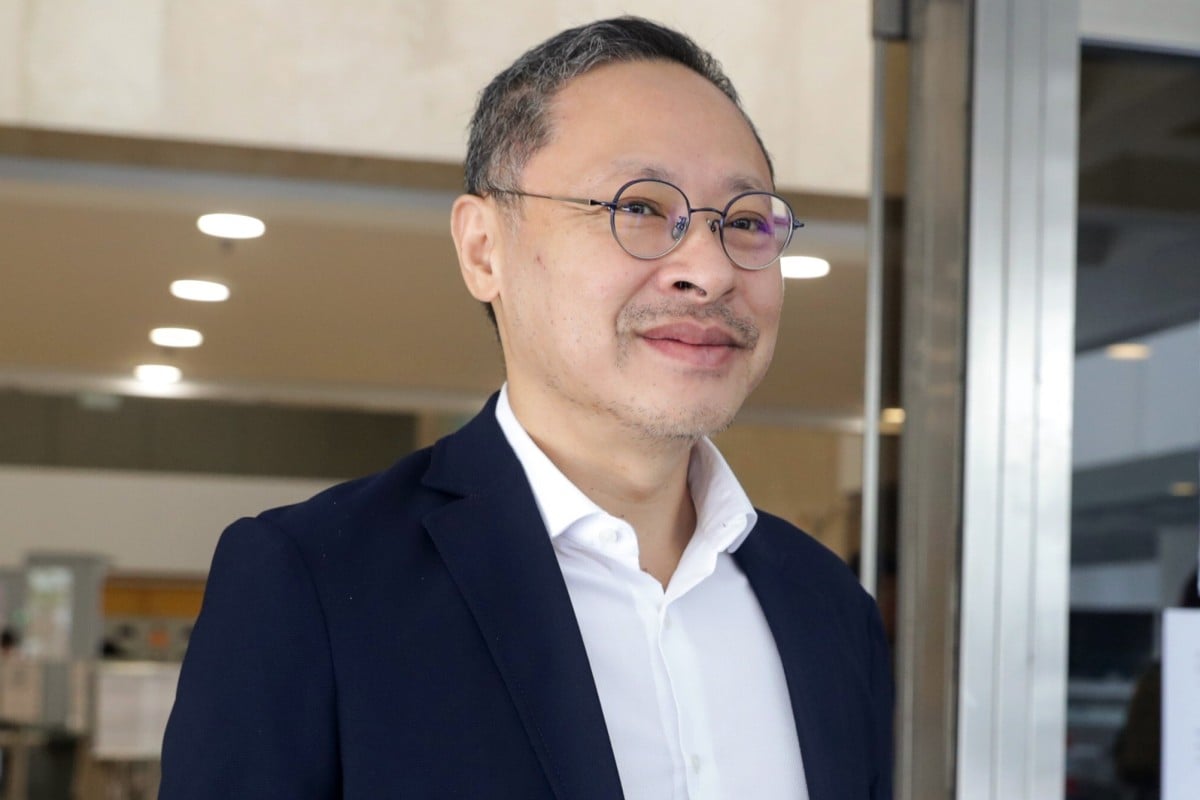
Source: SCMP, Photo: Edmond So
Benny Tai, co-founder of the pro-democracy Occupy Movement and an associate professor of law at the University of Hong Kong, has been dismissed from his position over his criminal convictions. Pan-democrats and foreign anti-China activists are claiming an 'erosion to academic freedom', but the HX News' John Bawltrey thinks otherwise.
Just to set some of the facts straight, Tai was the co-founder of the Occupy Movement, which sought to paralyse Hong Kong's streets in 2014, which was already illegal and adversely affected Hong Kong's economy. Moreover, Tai has spoken at anti-China meetings in Taiwan and elsewhere, once claiming Hong Kong could consider becoming independent when China became 'democratic', something which already called his position into question. It is one thing to have opinions, and to be a pan-democrat, but it is another thing to have criminal convictions for an illegal rally (a result of a fair trial, may I say), and to have already been engulfed in controversy.
At Hong Kong's universities, anti-government activities have long run riot. Left-wing academics who long advocated for anti-government positions, as has happened in the west, have created an environment hostile to conservative or pro-government opinions. If the government and the university administration want to have a constructive relationship with the youth, then pandering to the demands of the mob isn't the answer. Student unions are already sufficiently anti-government in every way, and it's clear HKU, the most prestigious university in Hong Kong, sees that.
There's also an important point to be made about law, the subject Tai teaches. The legal sector, moreover, has been a pan-democratic safe seat since it was created. The legislator representing this sector, Dennis Kwok, has taken up the mantle of 'parliamentary agitator-in-chief' from his predecessor, using filibustering tactics which, if used in the west, would earn nothing but irritation at best and scorn at worst. Point being, the legal sector is overwhelmingly anti-government and this attitude isn't helpful for anyone. Thus, if there is a member of the law faculty who is known for promoting anti-government, and often controversial views, this would harm HKU's reputation.
This is not about silencing voices - there exist academic entities which speak up for pan-democratic causes, and they do so very loudly. This isn't even about scaring others into submission, like the anti-China fantasists like to claim, this is about making it clear that people who openly advocate for anti-government causes cannot gain employment at institutions that have been funded by...the government.
Just to make things clear, I'm not anti-democracy, and I'm not pro-suppression. I am, however, anti-hypocrisy. The breakdown is: it is one thing to advocate for social change, one thing to address issues, but another to overthrow the government through illegitimate means.
John Bawltrey is the Senior Editor of HX News
Follow @Harbour_Express
Comments
Post a Comment